

I’m Cashing Out
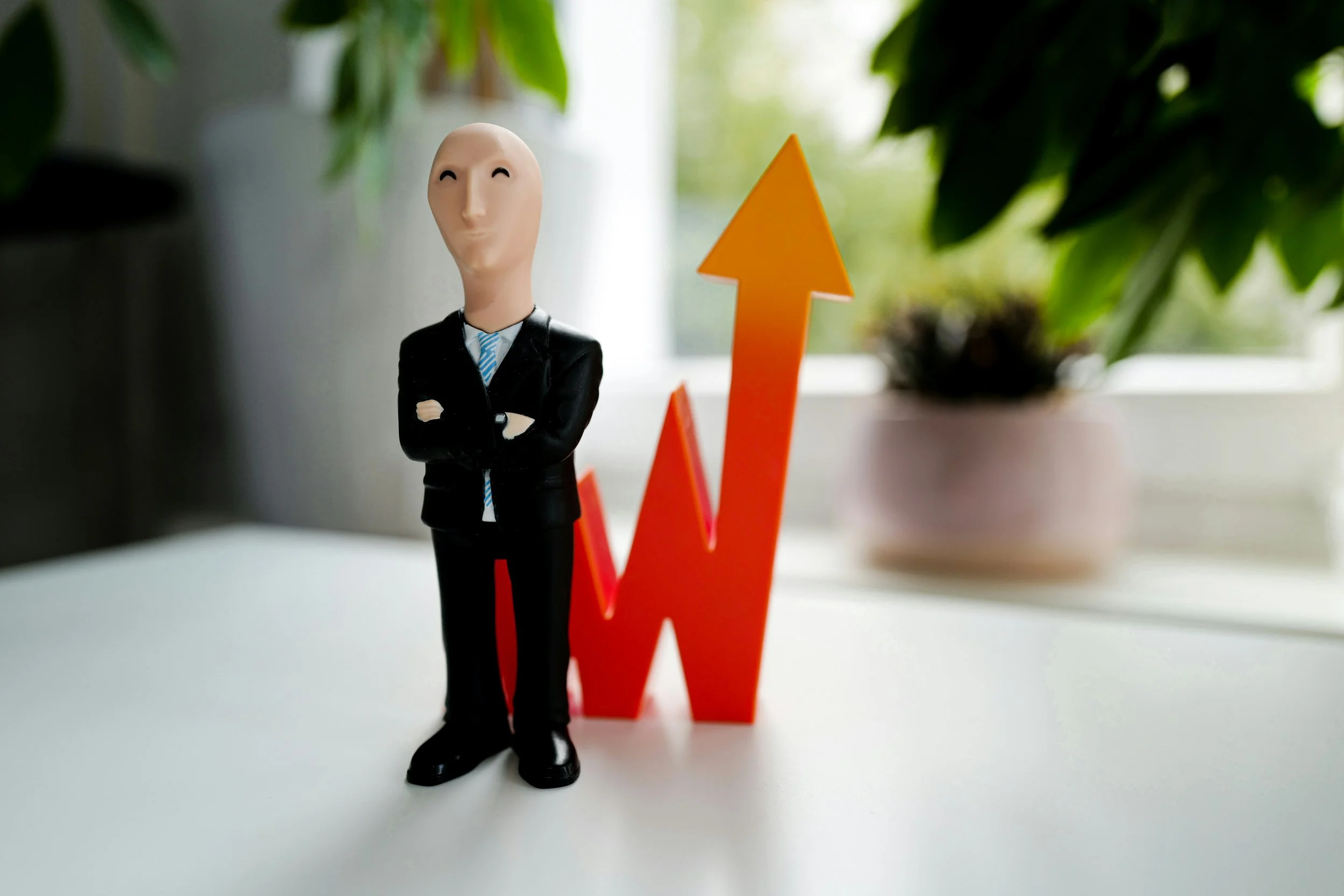
In September 2024, I downloaded a stock-trading app and started putting money from my savings into it. I invested in things I knew about that I thought would make me money. I did no real research, and I still have no idea what some of the more technical terms of investment mean. Prospectuses and P/E ratios are gobbledygook to me. I just took a risk and expected to eventually turn a profit greater than I might get from waiting for a savings account to grow.
For a time, I did make money. Most of the stocks I invested in were rising. I had high hopes.
Then I discovered just how irrational the stock market can be. In the months following the 2024 election, it spiked and tanked and whipsawed at the slightest news, and all my stocks did different things. Not to mention, I decided to invest right before a time when the most powerful man in the world started making irrational decisions that destabilized the entire world economy, sending shockwaves through the international market. He was going to get rich from it (or richer), but I wasn’t.
I’m not going to go into the politics that have caused the stock market to be more volatile than I ever anticipated. But early on, I would panic and think about selling when dramatic downswings happened. Then, when stocks climbed, my spirit would soar and I’d feel good about my investment decisions again.
I was naïve, and I went into investing with a foolish self-confidence, even though I also went into it with the intention of being a good steward of my money.
But I was also initially encouraged by the fact that I had apparently made some good guesses early on, even if I did sell and buy at bad times when I should’ve just “stayed the course.”
After a while, I started to notice how I was thinking and feeling about it all. My mood would swing with the market. I’d make predictions on what/when to buy or sell based on intuition and reading a couple of news articles about the stock market. I couldn’t bring myself to just camp out and not care.
Then I heard someone in my recovery ministry talk about gambling and what it mentally and emotionally does to a person.
Now, I’m not a gambler.
I have zero interest in casinos or lotteries. I was raised to distrust raffles. I dislike “prediction markets,” which I see as a bald-faced gambling loophole that needs to be closed.
I’ve seen gambling mess up people’s lives, both in my own circle of influence and in the news. I’ve seen it cause scandal after scandal in sports and politics. And the controversy isn’t ending; like the weed industry, it’s only growing and will likely continue to do so. Plus, many people—including, likely, a lot of lawmakers—stand to make beaucoup bucks off other people’s poor financial decisions.
I will also say that I’m a pastor in a Wesleyan-Holiness church. My denomination’s bylaws include a specific stance against gambling because of its addictive nature and how badly it affects good stewardship of the finances we’ve been blessed with. Gambling isn’t in my future, and my future is in God’s hands.
“What I’m doing isn’t gambling,” I would tell myself. “It’s investing, and I’m being responsible by putting my money somewhere it will grow. If I wait, most of my stocks will rise and gain even if they dip and swing on occasion.”
Generally speaking, I was telling myself the truth. Heck, I have a retirement account through my job that puts money into the stock market for me, so technically I was investing (through professional middlemen) before I ever downloaded a trading app.
But I didn’t consider what being an amateur, hobbyist investor was doing to me.
I was glancing at my phone too frequently, praying that certain stocks would rise.
I was looking at the news more often, hoping something would happen in the world that would cause my investments to grow (which has also made me feel awful, because some of the things that can cause stocks to move are things that cause great suffering in other parts of the world).
I made “educated guesses” about what I thought might happen, and my pride and well-disguised greed blinded me to reality.
In nearly two years’ time, almost nothing has turned out how I expected.
I have made money, not lost it, which is a relief. But I have not made as much as I thought (hoped) I would. I took on the risk without realizing how unwise it was for me to do it all by myself.
And I realized that in my heart, what I was doing was gambling after all. It didn’t matter that I was profiting or that I wasn’t splashing around in prediction markets. It didn’t matter that investing is something professional businessmen do for a living.
What matters is that I was becoming over-obsessed and greedy. And one of the main reasons I work in recovery ministry is because I still personally have issues like these to overcome.
After some soul-searching, I decided I wanted to pull out of my investments. I entered the market initially in the hopes of beating inflation by more than what I might in a high-yield savings account.
But as I slowly decided to start liquidating, questions began popping into my head. Rationalizations, really.
What if the stocks I sell “pop off” right after I sell off? I could’ve made more money if I’d just waited!
What if I sell a stock at a loss and it rises dramatically after I do so? If I’d waited, I could’ve made the money back!
Finally, though, I heard the tell-tale whisper in my heart of the Holy Spirit speaking through my conscience. That whisper said, “When is ‘enough’ enough?”
I began investing in a season when I was optimistic about my financial future and about where the world was heading. I expected to eventually make a meaningfully larger amount of money from working full-time. I expected to not have to worry much about the economy. I started trading because I thought investing independently would help me build more wealth. I was convinced I was smart enough and brave enough to take on some risk and come out ahead.
I was wrong. I haven’t wanted to admit it for a while, and I looked for every excuse to justify doing all this work myself, but I was wrong. And because I was wrong, I was stressed out.
I still believe the stock market is a good place to put your money if you know what you’re doing. But that’s the problem: I don’t really know what I’m doing, nor do I have the time to learn the necessary lessons that would help me continue this hobby.
My “risk appetite” has decreased dramatically. Plus, unexpected expenses have recently popped up in my life that must be paid.
So I must be honest with myself and admit: it’s time to stop playing a game I don’t really understand or have patience for. It’s time to liquidate, pay my expenses, give control of any future investments to a professional, and trust God to provide for all my financial needs.
It’s time to stop. It’s a wrench to give up the stocks I have that are doing well, because there’s always a chance they will continue to soar. But there’s also always a chance they will drop dramatically and make me lose money. I’m not interested in worrying about the uncertainty anymore. Even if other people I know can handle it, I can’t. Even if it’s ok for other people, it’s not ok for me.
I’m cashing out.