

Outside the Box
I love a good procedural crime drama.
I especially like ones where the characters have good rapport and someone on the team has a lot of brains and maybe a bit of a rebellious or comedic streak. Shows like The Mentalist, Castle, Sherlock, and Monk have main characters who aren’t law enforcement officers, but who possess a high level of intelligent and/or neurodivergent insight that helps solve the case at the end. Shows like Leverage, Warehouse 13, and Lie to Me portray teams who take on unusual cases without simple solutions or cases where the real baddie behind the scenes might get away with their plan because of their status, wealth, or power.
I appreciate these TV shows because they’re what I like to call “smart TV.” Each episode presents a puzzle that has to be solved by the end, and the audience is implicitly invited to do their own guesswork. I find it most entertaining when the solution isn’t obvious or when big secrets are uncovered. It’s always rewarding to discover a truth that required hard work to find.
I know these shows are mostly fantasy. Many real-life criminal cases are fairly straightforward and statistical, revealing few to no major, life-changing, world-shaking secrets. And in a world that questions the very definition of truth, the ones that do have such secrets tend not to be fully exposed.
But a guy can dream, right?
And why do I even want to dream of this?
Because I’m someone who likes to think outside the box. “Nuance” is one of my favorite words these days, and it helps prevent me from passing judgment too quickly. I also place a high value on truth, no matter the implications of that truth; truth is the key to freedom from the bondage of lies.
Our world likes to put both people and ideas into boxes. Why?
I think it’s at least partly because it’s simple and takes little effort. Stereotypes and sweeping assumptions help us not care as much about the people or issues they represent, especially when we feel like we already have enough to worry about. In the words of Nigerian novelist Chimamanda Ngozi Adichie, “The single story creates stereotypes, and the problem with stereotypes is not that they are untrue, but that they are incomplete. They make one story become the only story.”
I’ve talked to enough people who are acquainted with systemic injustice and cycles of brokenness to know there’s almost never a one-size-fits-all solution to the countless issues the world faces. And I’ll admit, I get frustrated when people try to propose overly simple solutions to complex issues that they don’t truly understand or even care about.
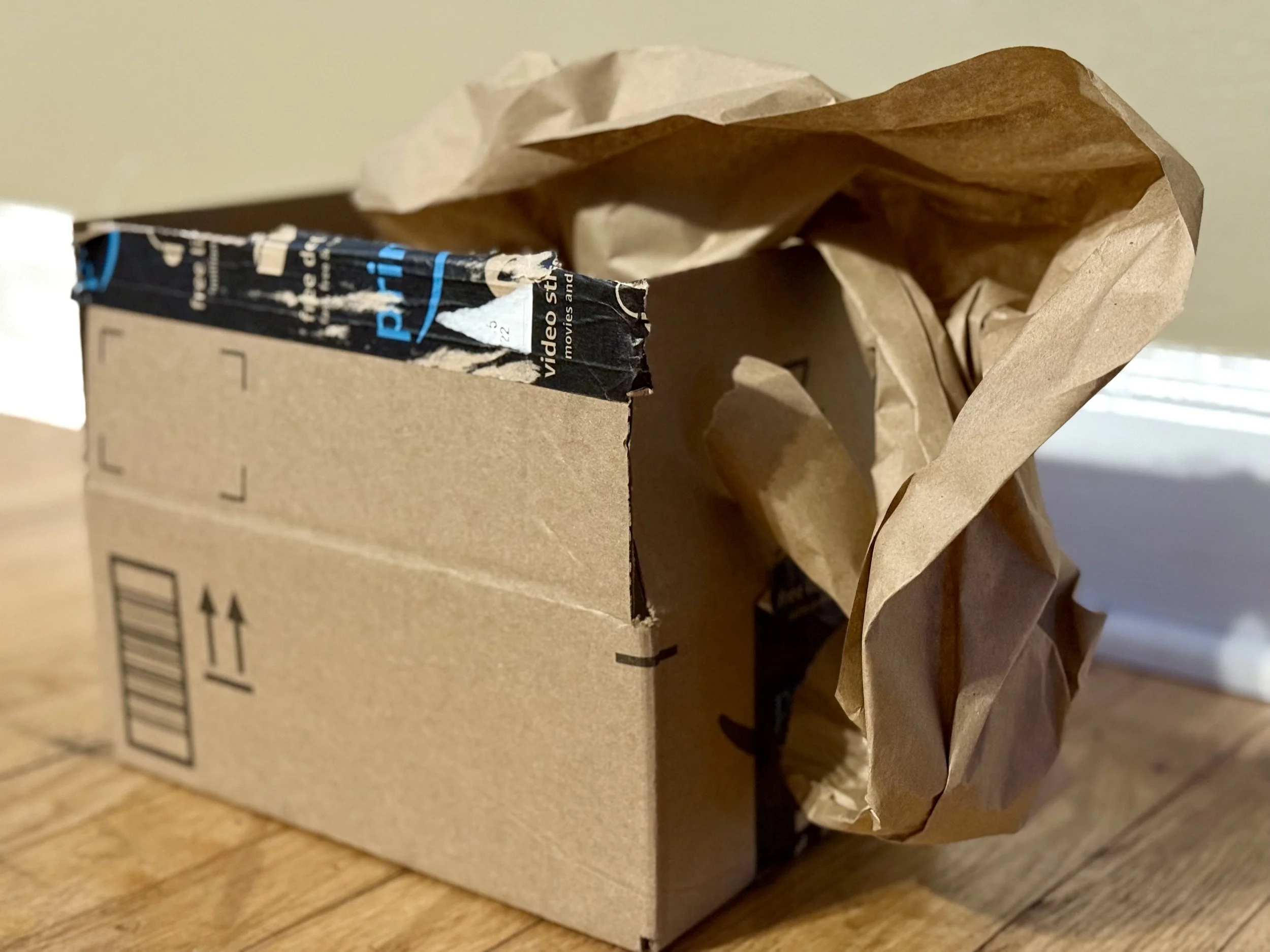
Many ideas—and most people—don’t fit neatly into a box. Boxes are also sometimes known as “labels”, and the human (or at least Western) search for identity usually involves putting on various different labels at different times. We tend to get rather uncomfortable as a species when people and problems don’t fit into their boxes or labels neatly. We like it when they climb into the Amazon box like a funny cat and stay there.
“All addicts are criminals or untrustworthy; they can’t change who they are.”
“All politicians from that political party are power-hungry, corrupt bureaucrats who want to waste my tax dollars.”
“All foster kids are problem children who aren’t worth the effort of raising.”
“All immigrants—especially nonwhite ones—are criminals and terrorists who want to steal American jobs and mooch off the government.”
You get the idea.
The more life I experience, though, the more I see people’s lives spilling out of their boxes. The labels have peeling edges and the ink is fading.
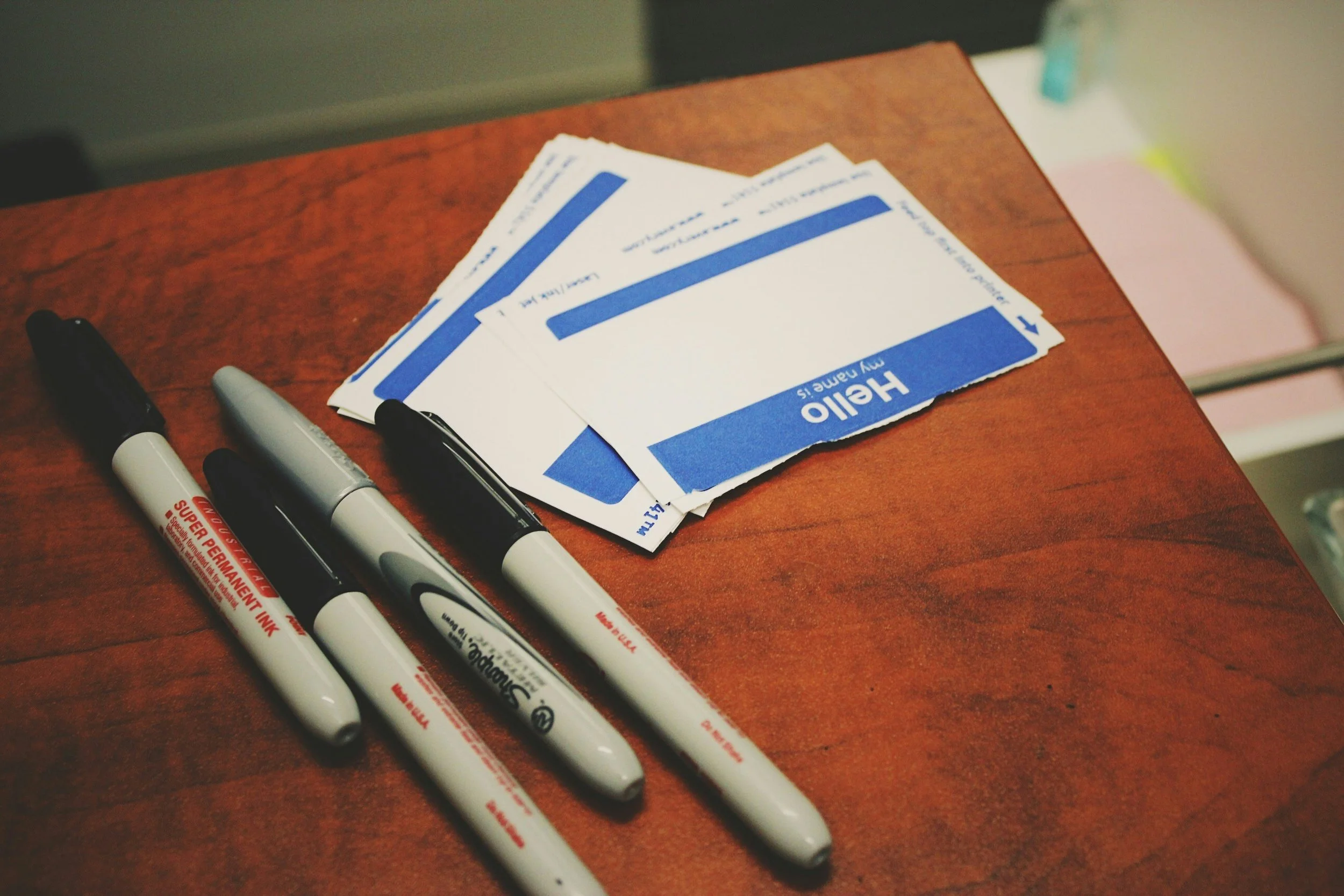
At the recovery program I work in, participants put on name tags because names are part of the identity they’re trying to reclaim from their hurts, hangups, and habits (also, y’know, so people can call them by name without having to memorize it the first time). But every one of those people is so much more than just their name, and part of the program involves reminding them that they no longer have to define themselves by their wounds and mistakes. They can exit the box—or the cage—they’ve been stuck in.
Boxing up people, ideas, and issues often causes us to be blind to truths we don’t want to face, because if we faced them, our worldviews would be shaken and challenged. Our comfort zone bubbles might burst. But if truth truly sets people free, shouldn’t we welcome our ideas being challenged? Shouldn’t we welcome the possibility that not all our beliefs and preconceived notions are 100 percent correct?
When I watch crime and detective dramas, I also watch the characters grow and display their humanity when they’re faced with the challenges of everyday life. In many episodes, cases are personal to the people trying to solve them, and these characters grow and develop over time. I think many people in this world don’t grow or develop as they should because they’re not properly challenged. We don’t grow when we’re comfortable, even if that comfort comes from something that’s actually hurting us.
I’ve spent most of my life feeling in one way or another like a misfit. I’ve searched for boxes to fit into and labels to put on. None of them fully describe or encapsulate my overarching identity. In some cases, even the label “Christian” doesn’t suffice because many people who bear that label live in unrepentant wickedness and deception that makes the name of Jesus taste unnecessarily sour in nonbelievers’ mouths.
I do follow Jesus Christ as my Lord and Savior, so that is one “box” I suppose I fit into. But even in the Church I’ve felt like a misfit simply because there have been times when I was wearing a mask and just wanted to rip it off, but I was afraid of what people would think of me if I did. As Christian hip-hop artist Lecrae would say, “If you live for people's acceptance, you'll die from their rejection.”
I’ve realized, though, that it’s not the worst thing to feel like a misfit, especially if you can find a way to embrace it.
Purposefully thinking outside the box has been quite a fulfilling activity in my life. It has helped me find solutions to problems that I wouldn’t have seen otherwise. Thinking outside the box helps me identify significant patterns in the world and understand hard topics on a deeper level. I ask questions all the time, and I usually don’t settle for the first answer I find.
I wasn’t always like this. I used to be quite the know-it-all (still am, sometimes—sorry). But I’ve had my ideas and worldview challenged on many occasions as an adult. Even though many of those situations have been painful, they’ve turned me into more of a listener and critical thinker.
I want to see people and issues for who and what they truly are, not what they or I wish them to be. Reality doesn’t fit inside a box, and it’s hard to discover something we’re not looking for.