

End of an Era: The Emotional Impact of a Finale
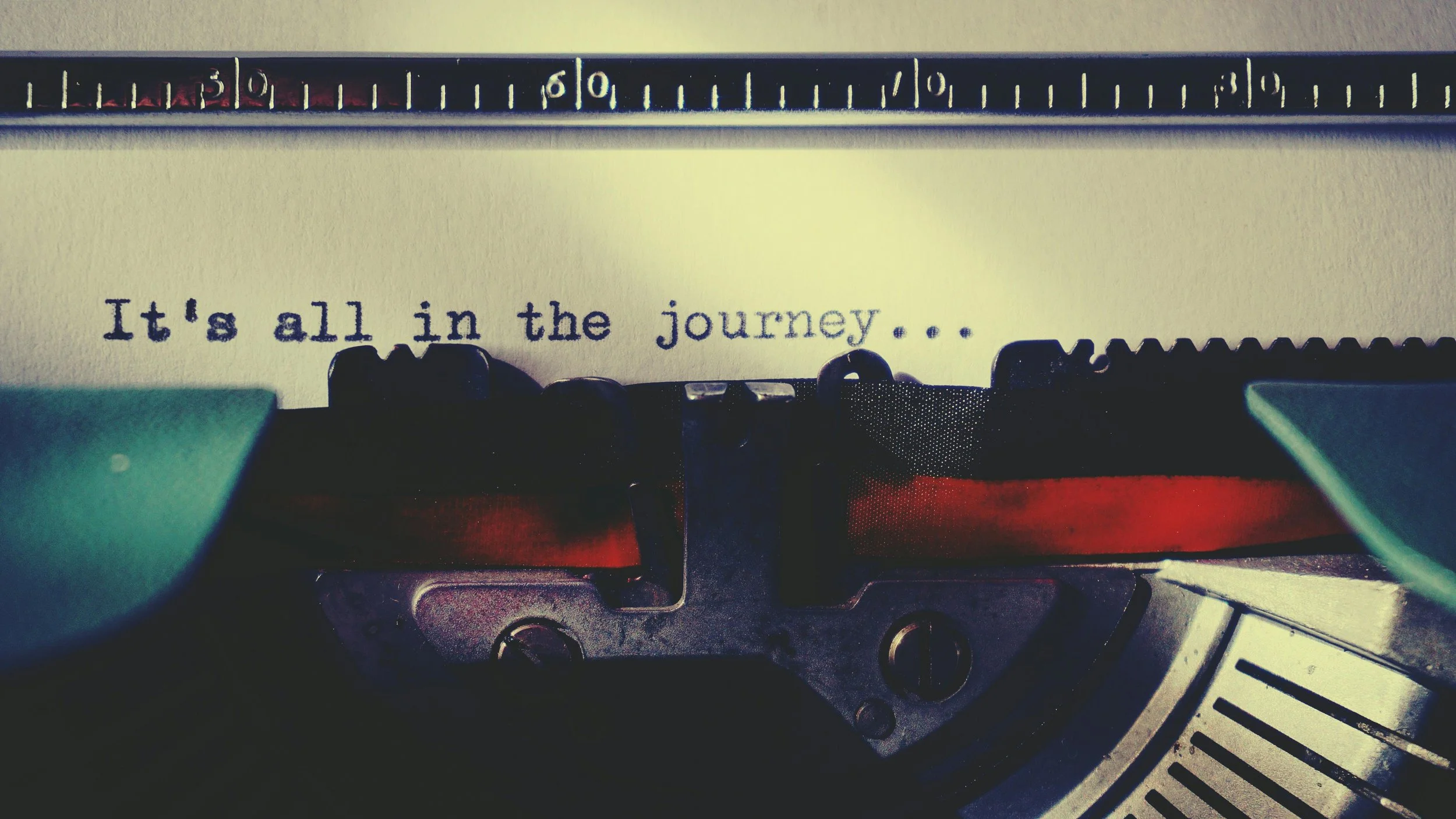
Photo by Suzy Hazelwood: https://www.pexels.com/photo/black-typewriter-machine-typing-on-white-printer-paper-1303835/
As the credits rolled on the Stranger Things 5 finale episode, I found myself wiping away tears. Even though it contained little plot holes, plot conveniences, and even some plot armor, I thoroughly enjoyed the conclusion of this story. It took ten years to tell, starting the year I graduated college (!!!), and it has built the careers of many of the young actors involved.
Now, the story is over, aside from whatever spinoffs the Duffer Brothers have planned. It felt like reaching the back cover of a hefty tome and shutting it with a satisfying thump.
I’m not a TV reviewer or critiquer. I have no desire to give this show or its finale a rating, at least not right now. But suffice to say, there were significant moments of meaningful payoff for the many characters and their individual stories, and I enjoyed most of them.
Telling the Story
One part of the finale that really struck me was a brief scene towards the end in which one character sits at a typewriter click-clacking away at the keys, presumably writing down the narrative of the Stranger Things story. That meta-moment hit me deeply because I’m currently doing that in my own life.
For this character, the story was real; everything actually happened, both joy and trauma, and in their mind, the story was worth recording and retelling. As someone who’s currently writing a book, it reminded me of the importance of telling my stories to the people in my life.
If you want to change someone’s life, don’t try to fix or control them. Tell them a story—a personal one, if possible—that will connect with them on both an emotional and intellectual level. Then give the story time to take root in their heart. Neither good stories nor life changes happen instantaneously; both almost always have a build-up of some sort.
The best stories are true; even if the narrative itself is fiction, the truth of the human experience seeps out of the pages or off the screen and stirs the souls of the readers or viewers.
The Metric of Story
As I turned off the TV after finishing the Stranger Things finale, the voice of my inner mind whispered, “It’s the end of an era.”
Melodramatic as it may sound, that voice spoke the truth. Think about it for a second. We don’t only measure our lives in years; we measure them in stories and moments that add up to uniquely defined periods in our lives.
The metric of story is one reason Taylor Swift is so popular with her fans: she has told a cohesive narrative of her life through her music. Each album or series of albums has added to her “lore”, telling of the twists and turns in her journey, including hidden details in the lyrics that fans dig up as if on an aural treasure hunt. Her personal story echoes the deeply human dreams of many who listen to her songs: to find love, overcome heartbreak, reclaim lost things, stand up for themselves, and express themselves cleverly and artistically.
Taylor Swift’s recent Eras Concert Tour broke records and was made into a documentary because she figured out how to put her personal testimony to music over the course of what is now a two-decade career. And as far as I’m aware, she’s not taking a break anytime soon.
I’m no Swiftie myself, but I can appreciate the colossal effort it takes to be that creative and compelling over the course of a relatively short lifetime. Her recent engagement and future wedding will inevitably serve as a happy ending for yet another of her “Eras”, or perhaps all of them up to this point in her thirty-six years of life. Then she’ll start another musical story, and her fans will follow along.
The finale of Stranger Things felt like the end of an era because it took many years to finish and because viewers got to watch the characters grow up, both physically and emotionally, just like in the Harry Potter movies or any other coming-of-age series. No one besides the creators of the story really knows what’s next, if anything. But a new beginning often can’t take place without the previous “era” ending.

The Feeling of a Finale
I remember feeling the phenomenon of a good finale as a child, shaping my personal desire to be a storyteller. In 2007, Harry Potter and the Deathly Hallows was released. In 2009, The Last Olympian (the finale of the Percy Jackson series) was released. Both were book series I grew up reading, and both contained epic endings that rewarded the reader for sticking around for years.
Reading those finales felt like reaching my destination at the end of a long, difficult hike and settling in for a well-deserved rest. The journey was complete, and I had a sense of accomplishment, fulfillment, and even mild mourning—almost an emptiness—that the story had concluded. Another story may begin soon, but first I had to process the thoughts and feelings that came from that long journey. I’ve experienced this same feeling numerous times as an adult, too, as I’ve continued to read and watch good stories, or even as I’ve looked back on periods in my own life.
All stories must end, though, and we hope they end in a way that feels earned—because there’s always a risk that they won’t.
Endings Help Us
The end of a story reminds us of why stories are so important in the first place.
Everyone wants to believe that their story has meaning and purpose and is leading to something that will make it all worth it. Everyone is on a journey, and everyone has reached destinations of some sort.
The reminder within a good story that it can end well, even if bittersweet or sad at times, gives us courage to keep moving forward. It also reminds us to enjoy the story while it’s in progress, a sentiment that is somewhat reflected in the Stranger Things finale. “Journey before destination,” as popular fantasy author Brandon Sanderson would say.
We all have favorite stories and we’re all living our own stories. There are people in each of our lives who need to hear the details of our stories, too, so they can hold onto hope or gumption as they live out their own.
If you have stories, especially ones with happy endings, tell them. Someone needs to hear them. Someone needs to follow along as your story progresses. Someone needs to know how your life’s stories end, even if the ending is simply the fact that you’re still on your feet today. That way, they can be reminded of what it feels like to successfully reach a destination after a long journey.
You may just change someone’s life with your story. Stranger Things have happened!